in the field of drinks, the term “alcohol-free” is gaining massive traction. Consumers are increasingly choosing to drink non-alcoholic beverages for numerous reasons, including personal preference, health along with lifestyle and personal preferences. While the need for alcohol-free drinks continues to rise also does the need for clear regulations that govern these products.
Understanding the Importance of EU Regulations
Why You Need to Know
Before we dive into the intricate details of EU regulations regarding alcohol-free beverages It’s important to know why this knowledge is vital. You may be a consumer searching for reliable products or a manufacturer eager in achieving compliance standards This is why EU regulations regarding alcohol-free drinks are vital:
The Increasing Popularity of Alcohol-Free Beverages
Alcohol-free drinks have gone beyond the sphere of soda and water. These days, they are numerous products including alcohol-free drinks to extravagant mocktails that don’t contain alcohol. As consumers seek more healthy and varied beverage alternatives, demand for these beverages is growing.
Health and Safety Concerns
They rightly expect that products they purchase meet the strictest hygiene and safety standards. Regulations ensure that alcohol-free drinks are made, labeled and advertised in ways that prioritize consumer well-being. They also assist in preventing misleading statements and protect those who must avoid alcohol due to medical reasons.
The Industry Growth and Innovation
The alcohol-free drinks industry is advancing rapidly, with innovation that challenges the traditional norms. Producers are developing unique flavor and textures, which resemble alcohol. To encourage the growth of this industry and maintain consumer trust complete regulations are crucial.
Now that you know the importance of EU rules on alcohol-free drinking, Let’s look at the most important regulations that govern these drinks in the following section.
H2: The most important EU Regulations for Alcohol-Free Drinks
In the next segment, we’ll delve into the core of the issue by dissecting important regulations that define the industry of alcohol-free drinks within the European Union. From the permitted maximum amount of alcohol to labeling regulations In this section, we’ll be able to decode the rules that distributors, producers, and customers must know.
Maximizing Safety and Consumer Confidence
When embarking on this regulatory journey, remember that these regulations are not only red tape to be imposed by bureaucrats. They serve an important purpose in ensuring that alcohol-free drinks adhere to strict quality standards. give consumers accurate information and aid in creating a healthier and safer beverage environment.
Now, let’s look into the intricacies of EU rules for alcohol-free beverages and alcohol-free drinks in a subsequent section.
[Next step: Section 2: Important EU Regulations for Alcohol-Free Drinks“
Exclusive Direct Ordering: Choose Swedish Distillers for Your Non-Alcoholic Spirits Needs!
The key EU Regulations for Alcohol-Free Drinks
In our effort to grasp the world of alcohol free drinks that are legal in the European Union, we now take a look at the core of it all: matteraEUR”the regulations. These regulations are the backbone of ensuring that alcohol-free drinks are safe, clear and that they meet certain high-quality standards. Let’s start this regulatory journey by dissecting the most important EU regulations governing alcohol free drinks.
Maximum Permitted Alcohol Content
What is the significance of HTML0?
The definition of “alcohol-free” depends on the allowed alcohol percentage. In the EU it is mandatory for a beverage to be labelled “alcohol-free,” it must not exceed 0.5% the volumetric amount of alcohol (ABV). This minimum threshold is crucial for consumer safety, especially those who are trying to completely avoid alcohol because of health, dietary, and personal issues.
labeling requirements
clarity and Transparency
EU regulations stipulate that the labels on alcohol-free beverages must clearly indicate their alcohol content. This is not only a matter of transparency but is also crucial for consumers who depend on this data. The label should prominently include the “alcohol-free” label and the exact ABV so that the consumer have the ability to make educated decisions.
Ingredients and Additives
Quality and Quality and
In order to ensure the quality and quality of alcohol-free beverages, EU regulations have strict specifications for ingredients and other additives. The regulations guarantee you only the approved ingredients are used in the making of these beverages. The focus is on maintaining integrity of the product regardless of whether it’s an alcohol-free wine, beer, or spirits.
Health Claims and Advertising
Preventing fraudulent claims
EU regulations also regulate the use of health claims in advertising and marketing for alcohol-free beverages. This is to avoid misinformation that could lead to false perceptions of the health benefits of drinking the drinks. Producers must adhere to guidelines that ensure accuracy and integrity within their commercialization.
QUALITY Standards and Safety Inspections
Continuous Testing and Quality Control
Another key aspect of EU guidelines is application of quality standards and safety checks. Producers are obligated to conduct thorough testing and quality assurance measures to ensure their alcohol-free beverages comply with standards. This involves hygiene, microbiological protection and overall quality.
Compliant and Certification
Once we’ve gained an knowledge of the essential EU rules for alcohol-free beverages It’s possible that you’re wondering what distributors and producers can do to ensure compliance with these regulations. The method of compliance and certification is a vital part of getting these products on the market and ensuring that they comply with EU regulations.
H2: Achieving Compliance
In the process of complying, it can be complicated process, but it is crucial for both the producers and distributors to ensure the alcohol-free beverages they sell meet EU standards. These are the essential elements of the compliance process:
Testing and Analysis
Producers must carry out thorough testing and analysis of their alcohol-free beverages to make sure that they meet the specified criteria. This includes alcohol content verification analysis of ingredients, testing of the ingredient, and qualitative assessments.
Documentation and Record-Keeping
Complete documentation is the foundation of compliance. Producers should keep records of testing, ingredient source, and the production process. These records serve as evidence of compliance and could be examined by regulators.
In collaboration with Regulatory Authorities
Distributors and producers often work with regulators on compliance. This includes getting the necessary certifications and approvals. This depend on the specific type of alcohol-free drink.
Common Challenges and Strategies to Overcome These Challenges
The compliance process can be difficult, especially for small producers or those just entering the field. Common challenges include navigating through regulations, balancing testing costs, and staying up to date with the ever-changing rules. Achieving expert guidance and staying informed about regulatory updates are vital strategies for overcoming these obstacles.
In our next section we’ll explore the effects of these regulations on the consumer in order to help them make better choices in choosing alcohol-free beverages.
[Next up: Section 3: the impact on consumers[Next up: Section 3: Impact on Consumers
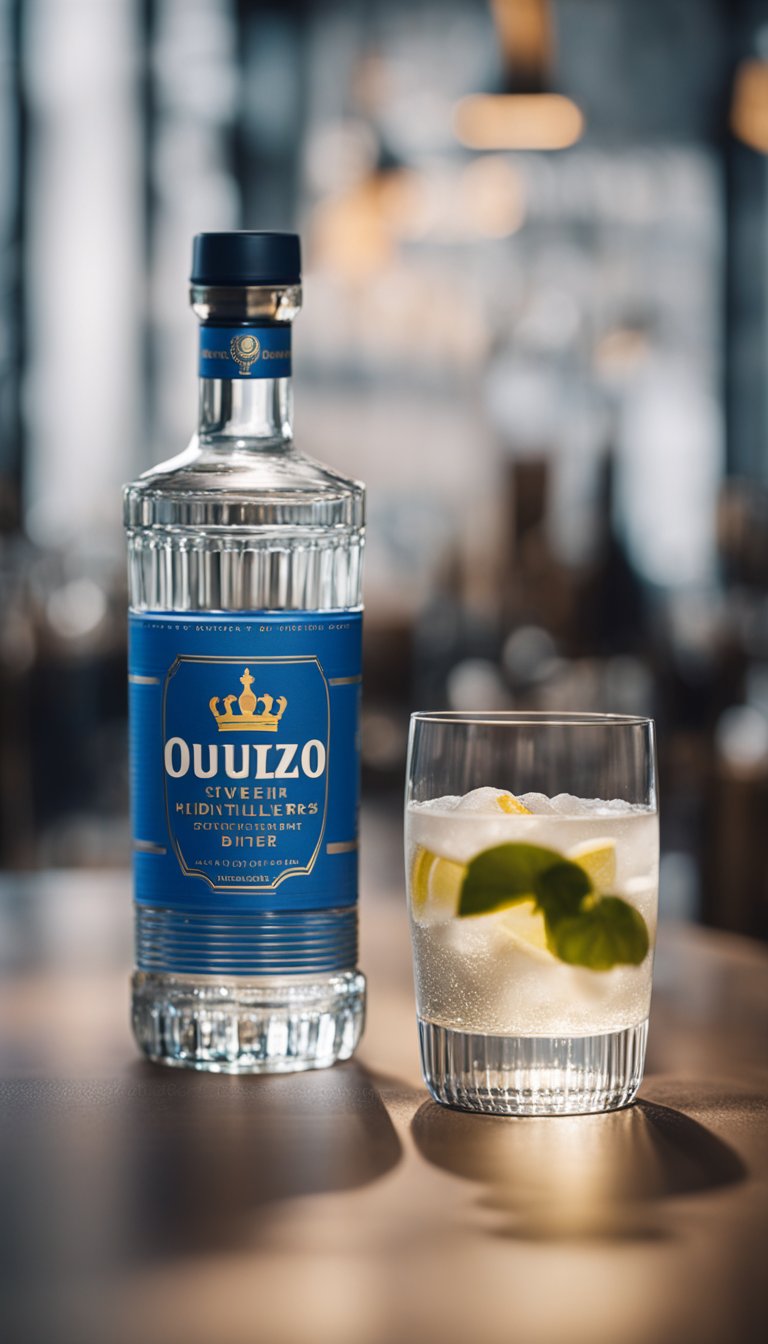
Impact on Consumers: Navigating EU Regulations on Alcohol-Free Drinks
As we continue our journey through the realm of alcohol-free drinks and the regulations that govern them in the European Union, we come to a pivotal point of considerationaEUR”the impact of these regulations on consumers. It’s vital for consumers to learn how these regulations affect decisions and the rights of consumers with regards to deciding on alcohol-free drinks.
Why should consumers care about EU Regulations on Alcohol-Free Drinks?
Before getting into the specifics you must answer the question “Why” do consumers have to care about EU regulations regarding alcohol-free drinks? The main reasons are:
-
Safe as well as Trust: Consumers deserve to have safe and reliable products. Regulations make sure that alcohol-free beverages adhere to strict quality and safety standards, reducing the likelihood of health-related concerns or misrepresentation.
-
“Informed Choices”: These regulations allow consumers to make informed choices. By understanding the need for labeling requirements as well as claim to be healthy, they are able select products that fit their preferences, dietary needs and lifestyle.
-
Prevention of misleading claims Regulations protect against misleading claims in health and advertising to prevent consumers from falling in the path of misleading marketing tactics.
Now, let’s dive into how EU regulations affect consumers:
Read Labels and Understanding Claims
Clarity in Labeling
One of the main ways that consumers are affected by EU regulations is through the labeling of products. When you buy any alcohol-free drinks in the EU, the label should include clear and accurate information. What to look for:
-
Alcohol Content: Regulations mandate that labels display the exact alcohol content generally expressed as Alcohol by Volume (ABV). It allows consumers to check they are genuinely free of alcohol, thereby meeting the EU’s 0.5% ABV threshold.
-
“Alcohol-Free” designation: A label that is prominently show the “alcohol-free” designation, so that customers are able to quickly recognize these products.
-
ingredients lists Rules require detailed ingredient lists that help those who have dietary restrictions or allergies make educated choices.
-
“Health Claims”: Watch out for health claims that are printed on labels. Regulations prevent misleading statements, so that consumers can rest assured that their product’s health benefits are properly portrayed.
Reporting non-compliance
Consumer Rights and Accountability
Consumers also have a stake in the enforcement of EU rules on alcohol-free beverages. If a product’s label appears false or you suspect there is a violation of regulations, then you have the right declare it. Reporting violations helps ensure the integrity of the market and holds the manufacturers accountable.
Sources of Information and Resources for Consumers
As well as reporting violations, consumers can turn to various sources of guidance:
-
User Associations: Many consumer associations monitor compliance with product as well as provide information and assistance.
-
District Authorities: The best way to reach your national or regional regulator for assistance and to report concerns.
-
Online Communities: Joining online forums and communities may provide information and suggestions from other consumers with similar interests.
Knowing how EU regulations affect consumers empowers individuals to make informed decisions and help ensure the solidity of the alcohol-free beverages market. In our next section we’ll examine the upcoming patterns in this dynamic market, and what consumers should be prepared for in the realm of alcohol-free beverages.
[Next up: Section 4: Future Trends and ConclusionThen Section 4: Future Trends and Conclusion
Future Trends within the World of Alcohol-Free Drinks
While we go through the intricate details of EU regulations governing alcohol-free beverages and the impact they have on consumers it’s important to think ahead and look at the new trends and developments that will emerge from this environment. The world of alcohol-free drinks is growing rapidly and is undergoing rapid innovation due to changing consumer preferences and health-conscious choices.
Why Future Trends Are Important
Being aware of future trends isn’t simply a matter of curiosityaEUR”it’s vital for producers and consumers. To producers, being ahead of the curve means meeting evolving customer demands and changing regulations. To consumers, this means having access a constantly expanding number of innovative and healthy drinks.
1. The Variety of Products Increasing
The Beyond of the Basics
Alcohol-free beverages isn’t just limited to traditional choices like soda and sparkling water. Producers are continuously broadening their product lines to provide consumers with a wide variety of options. This includes:
-
Alcohol-free beers: They have developed into more sophisticated products, with tastes and aromas that mimic their alcoholic counterparts.
-
Wein Alternatives Alcohol-free wines are getting more popular, giving customers the enjoyment and flavor of wine, but without alcohol.
-
Alcohol-Free Spirits: Mocktails and alcohol-free spirits are in the rising, allowing customers to taste complex flavors and cocktails, without the alcohol.
2. Innovative Ingredients and Flavors
Mirroring Complexity
Producers are investing in studies and development to create beverages that are alcohol-free, and replicate the rich flavor and experience from alcoholic drinks. It is also experimenting with the use of herbs, botanicals and spices to create distinct profiles.
-
Botanical Infusions: Gin that is not alcoholic and botanical spirits are incorporating the most diverse range of botanicals and blending them into unique flavor experiences.
-
Distillation techniques: Different producers utilize distillation techniques to extract flavors without alcohol and produce sophisticated alcohol-free spirits.
3. Health and Wellness Focus
aligned with consumer Values
Consumer demand for health-conscious products has led producers to focus on wellness and health aspects. This includes highlighting nutritional information, organic ingredients and the benefits of wellness.
-
Low Calories and Sugars: Many alcohol-free drinks are designed to be low in calories and sugar, catering to the health-conscious consumer.
-
Functioning Ingredients Companies are using essential ingredients like vitamin D, adaptogens, and antioxidants to improve the health appeal of their products.
4. Sustainability and Eco-Friendly Practices
Meeting Environmental Concerns
Sustainability is an issue that is growing in importance as producers respond to the issue by adopting environmentally-friendly methods. This includes sustainable sources of components, eco-friendly packaging, and reducing carbon footprints.
-
recyclable packaging: Numerous alcohol-free companies are opting for recyclable or biodegradable packaging, in order to limit environmental impacts.
-
Ethical Sourcing: Producers are increasingly transparent about where they source the ingredients they use, and are making sure that they adhere to ethical and sustainable standards.
5. Training and Consumer Empowerment
Informed Choices
As the world of alcohol-free beverages changes, education for consumers becomes vital. Producers are investing tools to help consumers understand the products they sell, which includes:
-
Online Resources: Sites as well as social networks offer information about the ingredients used in products, the benefits of health, as well as serving suggestions.
-
Cocktail Events Certain producers hold tasting events and workshops to educate consumers on how to drink alcohol-free beverages to the fullest.
Knowing these trends can help consumers to make choices that are aligned to their interests and values. In our next chapter we’ll summarise the most significant conclusions and discuss how the world of alcohol-free drinks continues to influence consumer choices and experience.
[Next step: Section 5: Summary and Looking forward[Next up: Section 5: Summary and Looking Forward
The Summary and the Future: Becoming familiar with EU Regulations on Alcohol-Free Drinks
As we close our comprehensive review of EU regulations pertaining to alcohol-free drinks and their profound effects on consumers as well as the sector we must review some of the key points from each part and look forward to what the future holds in this fast-changing environment.
Section 1: The basics of EU Regulations
In the initial part of our journey we examined the basic aspects of EU laws on alcohol-free beverages. Here are the major takeaways:
-
EU Regulations Ensure Safety: These regulations are created to ensure the purity and quality of alcohol-free beverages which will allow consumers to enjoy these beverages without any health problems.
-
labeling clarity: It is possible for consumers to rely upon the clear and precise labeling that identifies alcohol-free beverages and be aware of their ingredients and health claims.
-
Human Rights for Consumers consumers have the right to file complaints about violations of regulations, and contribute to an honest and accountable marketplace.
2. Production and Compliance
In the next section, we explored the production and conformity aspects of alcohol-free drinks:
-
Specifications for production: Production companies are required to adhere by strict standards. This includes the 0.5% ABV maximum for the alcohol-free classification.
-
Testing and Certification: All HTML0 products are subject to rigorous testing to confirm that they meet legal requirements.
-
Importance of Conformity: The compliance with the regulations is vital in order to avoid penalties and keep consumer trust.
Section 3: Influence on Producers and Market
Our third article was focused on the impact of regulations on the market and producers:
-
market growth: It is evident that the need for alcohol-free beverages is on rising, driven mainly by health conscious consumers and new product offerings.
-
Innovation and Competition: Producers are continually coming up with new ideas to satisfy consumer demands which has led to a wide selection of alcohol-free alternatives.
Section 4: Future Trends
In the closing section, we examined the future trends that are shaping the world of alcohol-free drinks:
-
Expanding Product Variety: Consumers can expect the availability of a greater selection of alcohol-free beverages, including stylish alternatives to traditional choices.
-
Innovations in Flavors and Ingredients: The producers are investing in making complex flavors more accessible, while also improving the enjoyment of drinking.
-
“Health” and Wellness The focus: Health-conscious consumers will find products that will meet their eating habits and health goals.
Section 5″Summary and Looking Forward”
In this section, we’ve reviewed the crucial information we’ve learned from our investigation of EU rules regarding alcohol-free beverages. These lessons help consumers and producers to navigate this evolving landscape effectively.
In the future towards the future, the market for alcohol-free drinks is bound to grow and new developments. Consumers will be able to anticipate a growing array of choices that cater to their distinct tastes, preferences, and values. Producers, on the other hand, should be on guard in adhering with regulations while embracing opportunities that are offered by this vibrant market.
In the end, understanding EU regulations regarding alcohol-free drinks isn’t simply a matter of conformity but also ensuring the safety that, transparency, as well as choice that consumers deserve. With a bright future, the alcohol-free drinks market is a great place for consumers to explore as they savor, sip, and lift their glasses for a healthier and more delicious drink.
Thank you for coming along on this journey into the world of alcohol free beverages and EU regulations. Welcome to a world filled with new and safe beverage choices.
“End Of Series [End of Series
Leave a Reply